The global yacht charter industry operates across multiple jurisdictions, frequently involving international waters, cross-border clients, and complex regulatory considerations. As a result, the ownership structure behind the vessel becomes as important as the vessel itself.
An offshore company for yacht charter is not merely a tax planning tool. When structured correctly, it serves as a liability shield, a revenue management vehicle, and a jurisdictional planning instrument that can significantly enhance operational efficiency. However, the legal framework governing yacht ownership, maritime registration, VAT exposure, crew employment, and charter income must be carefully aligned with the chosen offshore jurisdiction.
This article examines the legal and strategic foundations of forming an offshore company for yacht charter, beginning with structural reasoning and asset protection considerations.
Why Yacht Owners Use an Offshore Company for Yacht Charter
Yacht charter operations are inherently international. A vessel may be registered in one jurisdiction, managed from another, crewed from multiple countries, and chartered to clients from around the world. Unlike a land-based business tied to a fixed location, yacht charter activity often does not belong to a single domestic economy.
For this reason, many yacht owners approach structuring in the same way they approach maritime registration. Just as vessels frequently operate under a flag of convenience for regulatory and operational efficiency, the same logic can apply to the ownership structure behind the yacht. Forming an offshore company for yacht charter allows the corporate structure to align with the international nature of the activity rather than tying it unnecessarily to a high-tax or heavily regulated domestic jurisdiction.
If the yacht itself operates globally, it is commercially consistent for the corporate and banking structure to reflect that same neutrality. An offshore company for yacht charter enables charter agreements, invoicing, revenue collection, and corporate banking to be managed through a jurisdiction designed for international business rather than domestic trade. This can simplify cross-border transactions, reduce unnecessary tax exposure (subject to compliance), and create a more coherent international operating framework.
Corporate Neutrality
Yacht charter revenue is often earned in multiple territories throughout a season. The vessel may spend part of the year in the Mediterranean and part in the Caribbean, with charter contracts governed by different legal systems depending on the cruising grounds.
Holding such an asset personally within a single onshore jurisdiction can create unnecessary complexity. By contrast, an offshore company for yacht charter provides jurisdictional neutrality. The company becomes the contracting party with charter clients, marina operators, and service providers, allowing the operational structure to mirror the international movement of the yacht itself.
In this sense, the offshore company functions as a corporate “flag of convenience” — not in a negative sense, but in the practical maritime sense of choosing a jurisdiction that supports international operation.
Privacy
Another major reason yacht owners establish an offshore company for yacht charter is privacy.
In certain offshore jurisdictions, corporate registries are not publicly accessible. For example, in the Cook Islands, the company register for international entities is private and not open to general public inspection. This level of confidentiality is supported by specific legislation, including the International Companies Act 2006 (formerly referred to as the International Business Companies framework), which governs international corporate entities within that jurisdiction.
For high-value yacht owners, public exposure of ownership can create unnecessary security concerns. An offshore company for yacht charter allows the vessel to be owned by a corporate entity rather than appearing directly under the individual’s personal name. While regulatory compliance, due diligence, and beneficial ownership reporting requirements must still be satisfied where applicable, the general public does not have open access to the company’s ownership information in certain offshore jurisdictions.
This balance between lawful compliance and public privacy is often a decisive factor for investors operating high-value maritime assets.
Vessel Registration and Corporate Structure
It is common practice for yachts to be registered in jurisdictions that are internationally respected and administratively efficient. The same strategic thinking should extend to the ownership vehicle.
An offshore company for yacht charter can:
- Act as the legal owner of the vessel
- Enter into charter contracts internationally
- Maintain a corporate bank account aligned with international clients
- Simplify share transfers in the event of sale or restructuring
- Reduce unnecessary domestic exposure in jurisdictions unrelated to the yacht’s operations
Where the vessel is structured professionally, insured appropriately, and operated commercially, the corporate structure behind it should reflect the same level of sophistication.
For internationally operating yacht charter businesses, the combination of a strategic flag state and a properly formed offshore company for yacht charter creates structural coherence between maritime registration, corporate governance, and banking.
Steps to Establish an Offshore Company for Yacht Charter
Setting up an offshore company for yacht charter is usually straightforward once the right jurisdiction and documents are in place. Here’s how the process typically works in practice at OVZA.
1. Choose a Suitable Offshore Jurisdiction and Submit Your Registration Request
The first step is selecting the most appropriate offshore jurisdiction for your yacht charter operations. This decision should consider factors such as tax neutrality, privacy laws, banking compatibility, and alignment with the yacht’s intended flag and operating regions.
Once the jurisdiction is selected, you may place your offshore company registration request directly through our website. This initiates the formal incorporation process.
2. Decide on the Company Name and Corporate Structure
The second step involves confirming the proposed company name and determining the appropriate structure. This includes identifying:
- Directors
- Shareholders
- Ultimate Beneficial Owners
Depending on the jurisdiction, you may also determine whether a standard IBC structure, LLC, or other international entity format is most suitable for your offshore company for yacht charter.
3. Submit the Required KYC Documentation
The third step is compliance verification.
You will need to submit the required KYC documents for all relevant parties. The specific documentation requirements for each jurisdiction can be found in the KYC section on our offshore company registration services page.
Where notarization is required, clients who select our Premium package — or choose notarization as an add-on — may join a session with our 24/7 licensed notary publics through our integrated system. This allows for streamlined certification of identification documents in accordance with registrar requirements.
4. Review and Sign the Company Registration Application Forms
Once compliance documents are approved, our legal affairs team prepares the official company registration application forms in accordance with the selected jurisdiction’s corporate law framework.
You will then review and sign the incorporation documents to authorize submission to the company registrar.
5. Receive the Incorporation Documents and Open the Offshore Bank Account
Following approval by the registrar, the full set of company registration documents will be issued. At this stage, the offshore company for yacht charter is legally formed. The final step is proceeding with the opening of the offshore corporate bank account, allowing the company to receive charter income and operate commercially.
The Ideal Jurisdiction for an Offshore Company for Yacht Charter: The Cook Islands
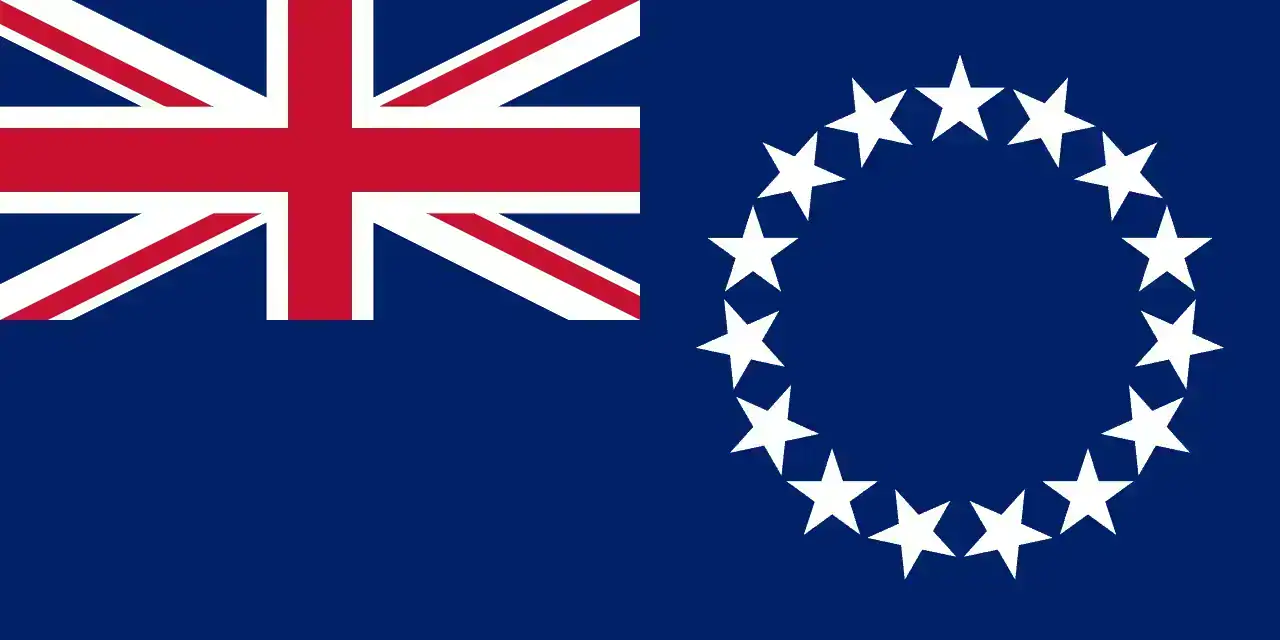
When selecting the most suitable jurisdiction for an offshore company for yacht charter, the Cook Islands consistently emerges as an ideal choice for internationally operating vessel owners.
The Cook Islands is specifically designed for international corporate activity under its International Companies Act 2006. An offshore company for yacht charter incorporated in this jurisdiction is not subject to local taxation on income derived outside the Cook Islands, making it structurally aligned with charter operations that generate revenue across multiple maritime regions rather than within a single domestic market.
In addition to tax neutrality, the Cook Islands maintains a private registry for international companies. Corporate ownership information is not publicly accessible, offering lawful confidentiality while maintaining compliance with international due diligence standards. For yacht owners managing high-value assets, this level of privacy provides meaningful security and discretion. The jurisdiction is also globally recognized for its strong asset protection framework. Structuring vessel ownership through a Cook Islands offshore company for yacht charter adds a layer of statutory protection that supports long-term asset stability, particularly where operations involve cross-border contracts and international clientele.
For yacht charter businesses that operate without geographic limitation, the Cook Islands offers neutrality, stability, privacy, and structural strength, qualities that together make it an ideal jurisdiction for offshore incorporation.
Conclusion
Forming an offshore company for yacht charter is not simply a tax decision, it is a structural decision that determines how the vessel is owned, how charter income is managed, and how liability is contained across jurisdictions. Because yacht charter activity is inherently international, the ownership vehicle should reflect that same cross-border reality.
By selecting the right jurisdiction and aligning corporate structure with maritime operations, yacht owners can achieve tax neutrality, operational flexibility, asset protection, and privacy within a legally compliant framework.
When properly structured, an offshore company for yacht charter provides a stable and commercially coherent foundation for long-term international charter operations.